Environmental Health
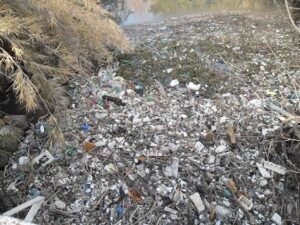
The World Health Organisation has indicated that a healthy environment could prevent almost 25% of the global disease burden. However, the environment is continuously affected by natural and anthropogenic activities. While natural disasters like floods could lead to massive environmental pollution, rapid industrialisation and population growth result in the deposition of astronomical volumes of toxic waste in the environment – water, soil and air – leading to severe pollution. These pollutants affect biodiversity, hence ecological balance, negatively. For example, a massive discharge of partially or untreated wastewater from treatment plants introduces various pathogens, including antimicrobial-resistant ones, into the environment, with reported adverse human health effects. Furthermore, the preference for natural fertilisers like animal manure over synthetic ones in intensive agriculture introduces antibiotic-resistant bacteria from animals to the soil and water, with potential adverse human health implications.
Therefore, ERF investigates how humans and animals impact the environment and the implication of polluted environments of human health.
Share Article