Animal Health
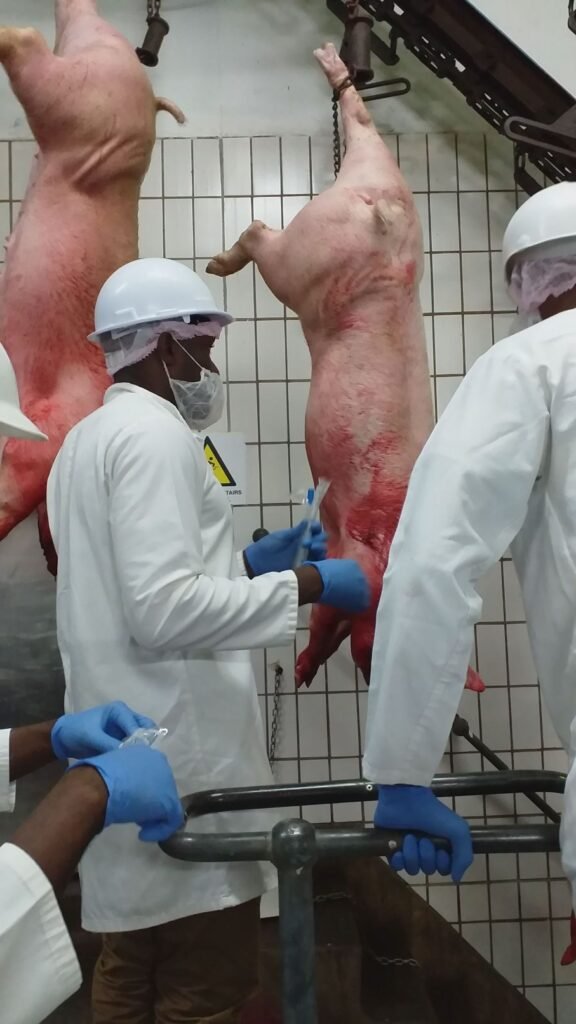
The growing need for animal protein and its associated products has caused an upsurge in intensive animal farming. However, this farming method involves growing many animals within a confined area, which stresses them, lowering their immunity. These animals are, therefore, prone to diseases, hence the need for intensive antibiotic use for prophylactic and therapeutic purposes. However, this is not without consequences. A major result is the high development of antimicrobial resistance, which further threatens the food-animal industry and poses a potential public health threat for consumers of products harbouring these resistant bacteria.
Furthermore, it is well-established that animals form an important reservoir of pathogenic organisms that can be transmitted to humans via direct contact (as with pets) or indirectly through animal faeces-contaminated substances, for example.
Hence, ERF conducts research to establish the molecular epidemiology of these pathogens, including antimicrobial-resistant ones and how they relate to human health.
Share Article